How to Correct a W-2 Form and Avoid Mistakes
Table of Contents
How to Correct a W-2 Form and Avoid Mistakes
Correcting a W-2 form can be a daunting task, especially if you are unfamiliar with the process. However, understanding how to navigate this situation is crucial for helping ensure your tax filings are accurate and compliant. This article will guide you through the steps to correct a W-2 form, highlight common mistakes to avoid, and provide tips for a smooth correction process.
Understanding the W-2 Form
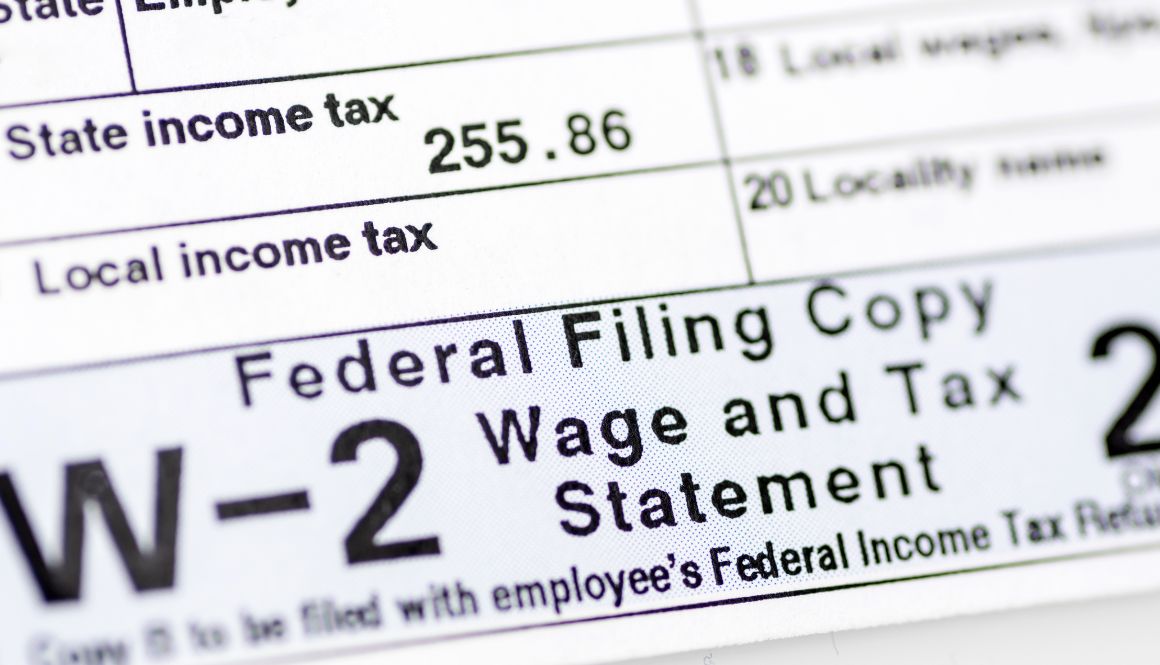
The W-2 form, officially known as the Wage and Tax Statement, is a crucial document that employers must provide to their employees. It summarizes an employee’s annual wages and the taxes withheld from their paycheck. The information on this form is essential for filing your income tax return accurately.
Importance of Accuracy
Accuracy in your W-2 form is vital for several reasons:
- Tax Compliance: Incorrect information can lead to tax penalties or audits.
- Refund Delays: Errors may delay your tax refund, causing financial strain.
- Credit Implications: Inaccurate reporting can affect your credit score if tax liabilities arise.
Components of the W-2 Form
A W-2 form includes various sections, each detailing specific information:
- Employee Information: Name, address, and Social Security number.
- Employer Information: Employer’s name, address, and Employer Identification Number (EIN).
- Wage Information: Total wages earned, tips, and other compensation.
- Tax Withholdings: Federal, state, and local taxes withheld.
Understanding these components will help you identify any discrepancies that may need correction.
Identifying Errors on Your W-2
Before you can correct a W-2 form, you must first identify the errors present. Common mistakes include:
Incorrect Personal Information
Errors in your name, Social Security number, or address can lead to significant issues. Seek to ensure that all personal details match your official documents.
Wage Discrepancies
Check that the wages reported on your W-2 align with your pay stubs. Any discrepancies should be addressed immediately.
Tax Withholding Errors
Verify that the amounts withheld for federal and state taxes are accurate. Incorrect withholding can affect your tax liability.
Missing Information
Sometimes, employers may forget to include certain earnings or benefits. Seek to ensure that all income sources are reported.
Steps to Correct a W-2 Form
If you discover an error on your W-2 form, follow these steps to correct it:
Step 1: Contact Your Employer
The first action should be to reach out to your employer or the payroll department. Explain the error and provide any necessary documentation to support your claim.
Step 2: Request a Corrected W-2
Your employer should issue a corrected W-2 form, known as a W-2c (Corrected Wage and Tax Statement). This form will reflect the accurate information.
Step 3: Review the Corrected W-2
Once you receive the W-2c, carefully review it to ensure all corrections have been made. Pay close attention to personal information, wages, and tax withholdings.
Step 4: File Your Taxes
If you have already filed your taxes using the incorrect W-2, you may need to amend your tax return using Form 1040-X. This form allows you to correct any discrepancies and report the accurate information.
Common Mistakes to Avoid
When correcting a W-2 form, it’s essential to avoid common pitfalls that can complicate the process:
Delaying the Correction
Procrastination can lead to missed deadlines, resulting in penalties. Address errors as soon as they are identified.
Ignoring Documentation
Always keep copies of your original W-2 and any correspondence with your employer regarding the correction. This documentation can be crucial if disputes arise.
Failing to Amend Your Tax Return
If you filed your taxes with an incorrect W-2, seek to ensure you amend your return promptly. Failing to do so can lead to complications with the IRS.
Not Following Up
After requesting a corrected W-2, follow up with your employer to help ensure the correction has been processed. This proactive approach can prevent further issues.
Tips for a Smooth Correction Process
To help ensure a seamless correction process, consider the following tips:
Maintain Open Communication
Keep lines of communication open with your employer. Regular updates can help expedite the correction process.
Be Proactive
Don’t wait for the IRS to contact you about discrepancies. Take the initiative to correct any errors as soon as they are discovered.
Seek Professional Help
If you find the correction process overwhelming, consider consulting a tax professional. They can provide guidance and help ensure compliance with tax laws.
Stay Informed
Keep yourself updated on tax regulations and changes that may affect your W-2 form. Knowledge is key to avoiding mistakes in the future.
Understanding the Implications of Errors
Errors on your W-2 can have far-reaching implications. Understanding these can help you appreciate the importance of accuracy:
Financial Consequences
Incorrect tax filings can lead to unexpected tax liabilities, penalties, and interest charges. This can strain your finances and affect your credit score.
Legal Ramifications
In severe cases, persistent inaccuracies may lead to legal action from the IRS. It’s crucial to address errors promptly to avoid such situations.
Impact on Future Filings
Errors can complicate future tax filings, leading to audits or increased scrutiny from tax authorities. Maintaining accurate records is essential for long-term compliance.
Conclusion
Correcting a W-2 form is a critical task that requires attention to detail and prompt action. By understanding the process, identifying errors, and following the necessary steps, you can help ensure your tax filings are accurate and compliant. Remember to maintain open communication with your employer and seek professional assistance if needed. Taking these proactive measures will help you avoid mistakes and navigate the correction process smoothly.
By staying informed and proactive, you can help ensure that your tax filings are accurate and compliant, ultimately leading to a smoother financial experience.