The Tax Implications of Paying Off Your Mortgage Early
Table of Contents
The Tax Implications of Paying Off Your Mortgage Early
Deciding to pay off your mortgage early is a significant financial decision that can bring both benefits and drawbacks. While the allure of owning your home outright is enticing, it’s essential to understand how this choice can impact your tax situation.
This article will explore the various tax implications of paying off your mortgage early, the methods to do so, and the potential benefits and drawbacks associated with this financial strategy.
Understanding Mortgage Payoff
Paying off your mortgage early means eliminating your remaining loan balance before the original repayment term concludes. Most mortgages are structured over 15 to 30 years, but homeowners can accelerate this timeline through various strategies. These may include making additional payments, applying bonuses or savings toward the principal, or refinancing into a shorter-term loan.
Common Methods for Early Payoff
- Extra Principal Payments: Making additional payments toward the principal can significantly reduce the total interest paid over the life of the loan.
- Lump-Sum Contributions: Utilizing windfalls, such as tax refunds or bonuses, to make a large payment can drastically lower your mortgage balance.
- Refinancing: Switching to a loan with a shorter term can help you pay off your mortgage faster, although it may come with higher monthly payments.
Tax Deductions and Their Impact
One of the most significant tax implications of paying off your mortgage early is the loss of the mortgage interest deduction. This deduction allows homeowners to reduce their taxable income by the amount of interest paid on their mortgage.
Mortgage Interest Deduction Explained
When you pay off your mortgage, you no longer incur interest payments, which means you cannot claim this deduction on your tax return. For many homeowners, especially those with substantial mortgage balances, this can lead to a higher taxable income.
- Itemizing vs. Standard Deduction: If you typically itemize your deductions, losing the mortgage interest deduction could significantly impact your tax liability. However, if your total itemized deductions are less than the standard deduction, the effect may be minimal.
Property Tax Deductions
While paying off your mortgage eliminates the mortgage interest deduction, it does not affect your ability to deduct property taxes. Homeowners can still deduct property taxes from their taxable income, which remains a valuable tax benefit.
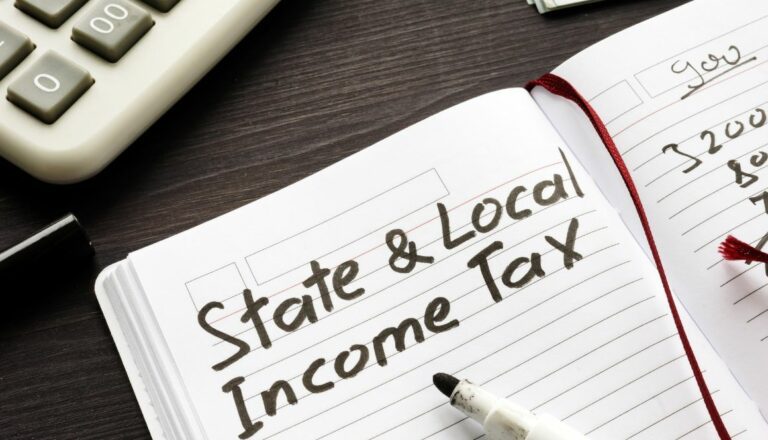
- SALT Deduction Limit: Under current federal law, property tax deductions fall under the State and Local Tax (SALT) deduction limit, which allows taxpayers to deduct up to $10,000 in combined state and local taxes.
Prepayment Penalties
Some mortgage agreements include prepayment penalties, which are fees charged by lenders for paying off a loan early. These penalties can vary significantly, so it’s crucial to review your loan documents before making any decisions.
Understanding Prepayment Penalties
- Fee Structure: Prepayment penalties can be a percentage of the outstanding loan balance or a flat fee. They are typically applicable during the first few years of the loan.
- Tax Treatment: If you incur a prepayment penalty, it may be deductible as mortgage interest, but only in the year it is paid.
Using Retirement Funds for Payoff
Some homeowners consider using retirement savings to pay off their mortgage. While this can eliminate debt, it comes with significant tax consequences.
Tax Consequences of Retirement Withdrawals
- Ordinary Income Tax: Withdrawals from traditional IRAs and 401(k)s are taxed as ordinary income, which can increase your overall taxable income for the year.
- Early Withdrawal Penalties: If you are under 59½, you may face a 10% penalty on early withdrawals, further reducing the financial benefit of using retirement funds to pay off your mortgage.
Opportunity Cost of Paying Off Your Mortgage Early
Paying off your mortgage early often requires utilizing savings or investment funds. While this can eliminate debt, it also reduces the amount of money available for investment, which can affect long-term wealth accumulation.
Evaluating Opportunity Cost
- Investment Growth: Funds used to pay off a mortgage could potentially earn higher returns if invested in the stock market or other vehicles. Historically, the stock market has outperformed average mortgage rates, making it essential to weigh the potential gains against the benefits of being mortgage-free.
- Tax-Advantaged Growth: Investments held in tax-advantaged accounts can grow tax-deferred or tax-free, which is lost when funds are redirected to pay off a mortgage.
Financial Flexibility and Liquidity
Another critical consideration when deciding to pay off your mortgage early is the impact on your financial flexibility and liquidity.
Importance of Liquidity
- Emergency Funds: Paying off your mortgage can deplete your cash reserves, making it challenging to cover unexpected expenses. Maintaining a healthy emergency fund is crucial for financial stability.
- Access to Cash: Once funds are used to pay off a mortgage, they are tied up in a non-liquid asset. If you need cash quickly, selling your home may not be a viable option.
When Paying Off Your Mortgage Early Makes Sense
There are specific scenarios where paying off your mortgage early may be beneficial, particularly from a tax perspective.
Ideal Situations for Early Payoff
- Approaching Retirement: If you are nearing retirement, eliminating your mortgage can provide peace of mind and reduce monthly expenses.
- Solid Emergency Fund: Having a robust emergency fund in place allows you to focus on paying off your mortgage without jeopardizing your financial security.
- No High-Interest Debt: Prioritizing high-interest debt before your mortgage can save you more money in the long run.
When Paying Off Your Mortgage Early May Not Be Wise
Conversely, there are situations where paying off your mortgage early may not be the best financial decision.
Scenarios to Avoid Early Payoff
- Low-Interest Mortgage: If your mortgage interest rate is low, you may achieve better returns by investing your extra cash elsewhere.
- Tax Considerations: If you rely on the mortgage interest deduction to lower your taxable income, paying off your mortgage could increase your tax liability.
- Retirement Savings: If you are behind on retirement contributions, it may be more beneficial to direct extra funds toward your retirement accounts instead of paying off your mortgage.
Strategies for Paying Off Your Mortgage Early
If you decide that paying off your mortgage early aligns with your financial goals, there are several strategies to consider.
Effective Payoff Strategies
- Refinancing: Consider refinancing to a shorter loan term to reduce the total interest paid and accelerate the payoff process.
- Biweekly Payments: Switching to biweekly payments instead of monthly can result in an extra payment each year, significantly reducing the loan term.
- Lump-Sum Payments: Applying windfalls, such as bonuses or tax refunds, directly to your mortgage can make a substantial impact on your principal balance.
Conclusion
Paying off your mortgage early can potentially provide significant benefits, including reduced interest payments and financial peace of mind. However, it’s essential to consider the tax implications, potential loss of deductions, and the impact on your overall financial strategy.
By carefully evaluating your differentiated situation and consulting with a financial advisor, you can make an informed decision that aligns with your long-term financial goals. Whether you choose to pay off your mortgage early or continue with regular payments, understanding the tax implications will help you navigate this important financial decision effectively.