Why a Large Tax Refund May Not Be a Good Thing
Table of Contents
Why a Large Tax Refund May Not Be a Good Thing
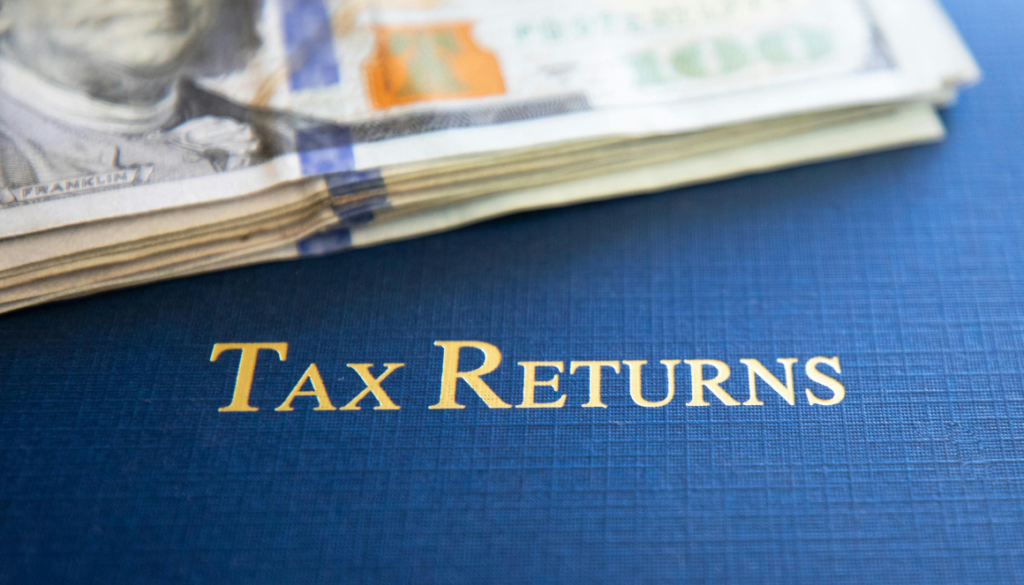
A large tax refund feels like a financial win. For many Americans, it’s the biggest check they receive all year. But the reality is far less exciting: a refund simply means you overpaid your taxes and are getting your own money back.
While it may feel like a bonus, a big refund often signals an inefficient cash flow strategy that could be quietly hurting your finances.
The Psychological Trap
Tax refunds trigger what behavioral economists call mental accounting. We treat money differently depending on how we receive it. A refund feels like a windfall, so people are more likely to spend it impulsively compared to regular income.
That’s why refunds often disappear quickly, vacations, electronics, home upgrades, rather than being deployed strategically.
Some households intentionally over withhold as a form of forced savings. While the discipline may help certain individuals, it comes at a cost: you’re giving the government an interest-free loan all year.
What a Refund Really Means
Your employer withholds taxes from each paycheck based on your W-4 elections. If too much is withheld, the IRS returns the excess after you file your return.
A $3,000 refund means you effectively sent the IRS about $250 extra every month.
That money could have been:
- Reducing high-interest debt
- Building an emergency fund
- Earning interest in savings
- Growing inside a retirement account
Instead, it sat idle.
In an environment where many households have limited savings and carry credit card balances, lending money at 0% interest rarely makes financial sense.
The Opportunity Cost
The real damage isn’t just the refund, it’s what that money could have earned.
If you redirected $250 per month:
- In a high-yield savings account, it could generate interest instead of none.
- Toward credit card debt, it could save significant interest charges.
- Into a 401(k) or IRA, it could compound for decades.
- Into a brokerage account, it could participate in market growth.
Even modest monthly investing has long-term compounding power. Over years, the difference becomes substantial.
There’s also liquidity risk. If you rely on a refund for major expenses and it’s delayed due to processing issues or identity verification, you could face cash-flow stress.
Financial flexibility matters more than a once-a-year lump sum.
How to Fix It
The solution is not underpaying taxes, it’s aligning withholding more closely with your actual liability.
Start with your W-4. The modern form no longer uses allowances. Instead, it asks for:
- Filing status
- Multiple job adjustments
- Dependents and credits
- Other income or deductions
- Any additional withholding
You can update your W-4 anytime.
When to Review Your Withholding
Revisit your W-4 if you experience:
- Marriage or divorce
- Birth or adoption
- Job changes or added side income
- Significant raises or income reductions
- A large refund or unexpected tax bill
The IRS Tax Withholding Estimator is a practical tool to project your correct withholding. Have recent pay stubs and your last tax return available when using it.
Smarter Ways to Use the Extra Cash
Once your paycheck increases, deploy that money intentionally:
1. Build an emergency fund.
Aim for 3–6 months of essential expenses. Start with $1,000 if needed.
2. Eliminate high-interest debt.
Paying down credit cards often provides a guaranteed return equal to your interest rate.
3. Increase retirement contributions.
Especially if your employer offers a match.
4. Automate savings.
Automatic transfers reduce friction and improve consistency.
The Bottom Line
A large refund is not a gift, it’s delayed access to your own money.
Optimizing your withholding improves monthly cash flow, strengthens liquidity, and allows your dollars to work year-round instead of waiting for tax season. Financial progress is built through consistent capital deployment, not one annual windfall.
Next time someone celebrates a huge refund, remember: the real win is keeping your money working for you all year long.