Paying Taxes Made Simple: A Practical Guide for Individuals and Businesses
Table of Contents
Paying Taxes Made Simple: A Practical Guide for Individuals and Businesses
Understanding how to pay taxes is essential for every citizen and business owner. Taxes are a fundamental part of our society, funding public services and infrastructure. However, the process can often seem daunting. This guide aims to simplify the tax payment process, providing you with the necessary steps and insights to help ensure compliance and ease of payment.
Understanding Your Tax Obligations
Types of Taxes
Before diving into the payment process, it’s crucial to understand the various types of taxes you may be liable for:
- Income Tax: This is a tax on your earnings, which can include wages, salaries, and investment income.
- Sales Tax: Imposed on the sale of goods and services, this tax is typically collected by retailers at the point of sale.
- Property Tax: Levied on real estate properties, this tax is usually based on the property’s value.
- Capital Gains Tax: This tax applies to the profit made from selling an asset, such as stocks or real estate.
Determining Your Tax Status
Your tax status can significantly affect how much you owe. Factors influencing your tax status include:
- Filing Status: This can be single, married filing jointly, married filing separately, head of household, or qualifying widow(er).
- Income Level: Your total income will determine your tax bracket and the rate at which you are taxed.
- Deductions and Credits: Understanding available deductions and credits can help reduce your taxable income.
Preparing for Tax Season
Gather Necessary Documents
Preparation is key when it comes to paying taxes. Collect the following documents:
- W-2 Forms: Provided by your employer, these forms detail your annual earnings and the taxes withheld.
- 1099 Forms: If you are self-employed or received income from other sources, these forms report that income.
- Receipts for Deductions: Keep records of expenses that may be deductible, such as medical expenses, charitable contributions, and business expenses.
Utilize Tax Software or Professionals
Depending on the complexity of your tax situation, you may choose to:
- Use Tax Software: Many individuals find tax software user-friendly and efficient for filing their taxes.
- Hire a Tax Professional: If your financial situation is complicated, consulting a tax professional can provide personalized guidance.
Choosing the Right Payment Method
Electronic Payment Options
The IRS offers several electronic payment methods, making it convenient to pay your taxes:
- Direct Pay: This allows you to pay directly from your bank account without any fees.
- Debit or Credit Card: Payments can be made using a debit or credit card, though processing fees may apply.
- Electronic Funds Withdrawal: This option allows you to authorize a direct withdrawal from your bank account when you e-file.
Traditional Payment Methods
If you prefer traditional methods, consider the following:
- Check or Money Order: You can mail a check or money order made out to the U.S. Treasury.
- Cash Payments: While not common, cash payments can be made at certain IRS offices.
Filing Your Tax Return
Choosing the Right Form
Selecting the appropriate tax form is crucial for accurate filing. Common forms include:
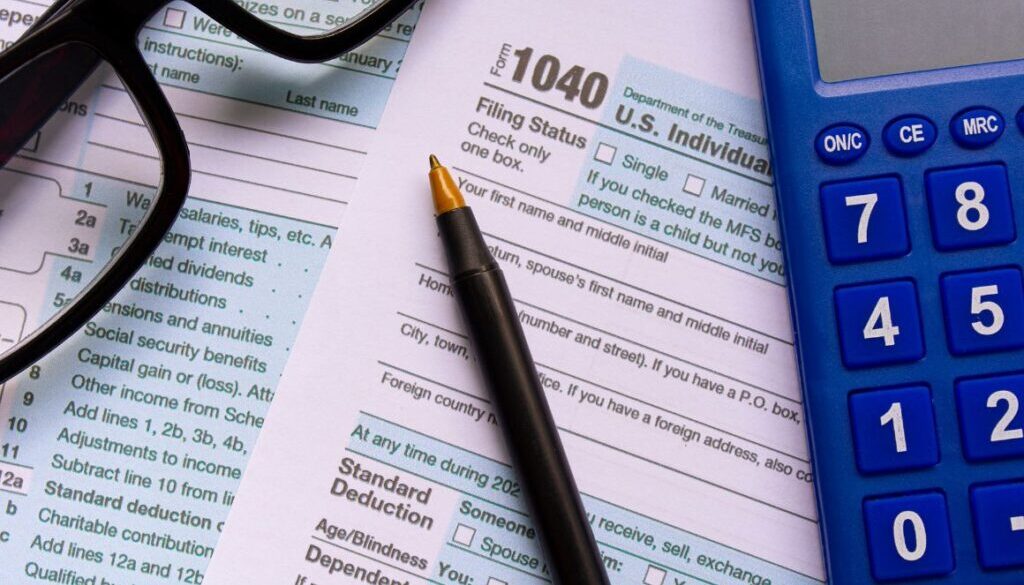
- 1040: The standard form for individual income tax returns.
- 1040-SR: Designed for seniors, this form is similar to the 1040 but features larger print.
- 1040-NR: For non-resident aliens who need to file a U.S. tax return.
Completing Your Tax Return
When filling out your tax return, ensure that you:
- Report All Income: Include all sources of income to avoid penalties.
- Claim Deductions and Credits: Take advantage of any deductions or credits you qualify for to reduce your tax liability.
- Double-Check Your Work: Review your return for accuracy before submission.
Submitting Your Tax Return
E-Filing vs. Paper Filing
You can choose to file your taxes electronically or via mail:
- E-Filing: This method is faster and often results in quicker refunds. It also reduces the risk of errors.
- Paper Filing: If you prefer to file by mail, ensure you send your return to the correct address based on your state.
Deadlines to Remember
Be mindful of important tax deadlines:
- Tax Day: Typically falls on April 15th, unless it falls on a weekend or holiday.
- Extensions: If you need more time, you can file for an extension, but any taxes owed are still due by the original deadline.
Understanding Tax Refunds and Payments
What to Expect After Filing
Once you submit your tax return, you can expect:
- Processing Time: E-filed returns are usually processed faster than paper returns.
- Refund Status: You can check the status of your refund through the IRS website.
Making Payments
If you owe taxes, seek to ensure you make your payment by the deadline to avoid penalties and interest. Consider setting up a payment plan if you cannot pay the full amount owed.
Handling Tax Issues
Common Tax Problems
Tax issues can arise, and it’s essential to know how to address them:
- Underpayment Penalties: If you owe more than you paid throughout the year, you may face penalties.
- Audits: The IRS may audit your return if they suspect discrepancies. Be prepared to provide documentation.
Seeking Help
If you encounter tax issues, consider:
- IRS Resources: The IRS website offers a wealth of information and resources for taxpayers.
- Tax Professionals: Consulting a tax professional can provide clarity and assistance in resolving issues.
Staying Informed About Tax Changes
Legislative Updates
Tax laws can change frequently. Stay informed by:
- Following IRS Announcements: Regularly check the IRS website for updates on tax laws and regulations.
- Subscribing to Newsletters: Many financial institutions and tax professionals offer newsletters that provide insights into tax changes.
Utilizing Online Resources
Numerous online resources can help you stay updated on tax-related news:
- Tax Blogs: Follow reputable tax blogs for expert opinions and advice.
- Webinars and Workshops: Participate in educational sessions to enhance your understanding of tax matters.
Planning for Future Tax Years
Tax Planning Strategies
Effective tax planning can help you minimize your tax liability in future years:
- Adjust Withholding: Review your W-4 form to help ensure the correct amount of taxes is withheld from your paycheck.
- Maximize Retirement Contributions: Contributing to retirement accounts can reduce your taxable income.
Keeping Accurate Records
Maintaining organized records throughout the year can simplify the tax preparation process:
- Use Financial Software: Consider using accounting software to track income and expenses.
- Create a Filing System: Organize documents by category to make retrieval easier during tax season
Conclusion
Paying taxes doesn’t have to be stressful. By understanding your obligations, preparing the right documents, choosing a payment method that works for you, and staying informed about changes, you can approach tax season with confidence. Think of it not just as a responsibility, but as an opportunity to plan smarter for your financial future.